
Introduction: The One Thing Most of Us Get Wrong
Most people don’t put much thought into buying jeans. You walk into a store, something looks good, it fits okay in the changing room, and you buy it. Simple enough.
But here’s the problem — jeans that look great standing still in a store often feel completely different after six hours of real life. Stiff at the knees. Bunching at the waist. Fading after a handful of washes. Uncomfortable the moment you sit down for lunch.
Finding the best jeans for daily wear is actually a specific task. Everyday jeans need to survive a lot — long sitting hours, walking, moving, washing — while still looking decent. That’s a different bar than jeans you wear twice a month to dinner.
I’ve bought enough wrong pairs over the years to know exactly where it goes sideways. This article is everything I wish someone had told me before I wasted time and money figuring it out myself.

Why “Everyday Jeans” Is Its Own Category
Not all jeans are made equal, and not all jeans are made for daily use. A pair built for fashion runways or occasional wear is designed for a completely different purpose than the best jeans for daily wear.
Everyday jeans need to hold their shape through repeated washing, stay comfortable through long hours of wear, and look consistently good without needing much thought. That’s asking a lot — and most budget pairs simply aren’t built for it.
The good news is that once you know what to look for, finding a reliable pair gets a lot easier. And you stop wasting money on jeans that fall apart in six months.
4 Things That Actually Matter Before You Buy
1. Fabric Composition — Start Here, Not at the Mirror
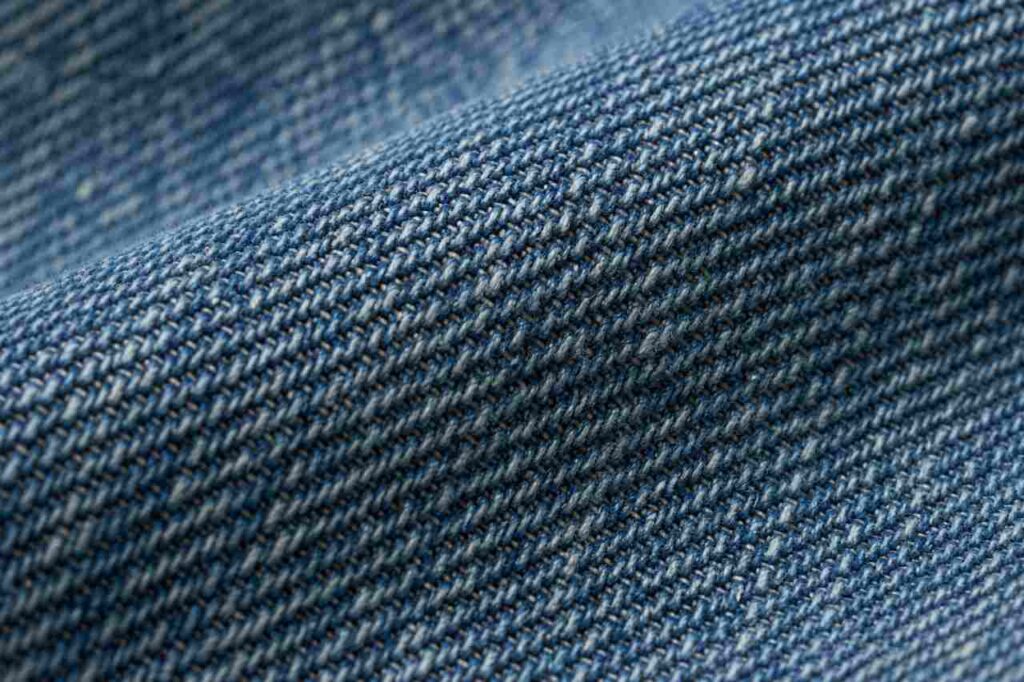
Before you even look at the color or the cut, flip the jeans over and read the label. Fabric is the single most important factor when choosing the best jeans for daily wear, and most people skip this entirely.
For everyday use, a blend usually works better than 100% rigid cotton. Something like 98% cotton with 2% elastane gives you the look and structure of classic denim but with just enough flexibility to move comfortably through your whole day — sitting at a desk, walking around, taking stairs.
Mid-weight denim in the 10–12 oz range hits the sweet spot. Heavy enough to hold its shape and not look limp after washing, but not so thick that it becomes uncomfortable in warmer weather. If you’re in a hot climate, look closer to 9–10 oz.
Pure raw denim has its loyal fans, and it does develop beautiful character over time. But for most people looking for the best jeans for daily wear, a treated or washed denim blend is simply more practical — it’s already broken in, easier to care for, and behaves predictably.
2. Fit That Works for Your Real Day, Not Just the Mirror
Here’s where most people shop with the wrong criteria. They pick what looks good standing still, not what feels good after eight hours of actual wear.
The best jeans for daily wear need to work for how you actually live. If you cycle, walk a lot, or are on your feet most of the day, a slim fit that looks sharp standing still can become restrictive and uncomfortable by afternoon. Straight-leg fits are more forgiving for movement and tend to look intentional without trying too hard. Relaxed fits, which have made a very deserved comeback, can be extremely comfortable for long days without looking sloppy — as long as the length is right.
Rise matters more than most people realize. Low-rise jeans constantly need adjusting the moment you sit, crouch, or bend. Mid-rise is the most practical choice for daily wear — it sits comfortably at your natural waist, stays put through movement, and doesn’t dig in when you’re seated.
If you can try before you buy: sit down in the changing room. Take a few proper steps. Crouch. If anything pulls, pinches, or you’re immediately adjusting — those aren’t the right jeans for everyday use, no matter how good they look upright.
3. Construction Quality — The Part Nobody Talks About Enough
Turn the jeans inside out. This is one of the most useful habits to develop when shopping for the best jeans for daily wear, and almost nobody does it.
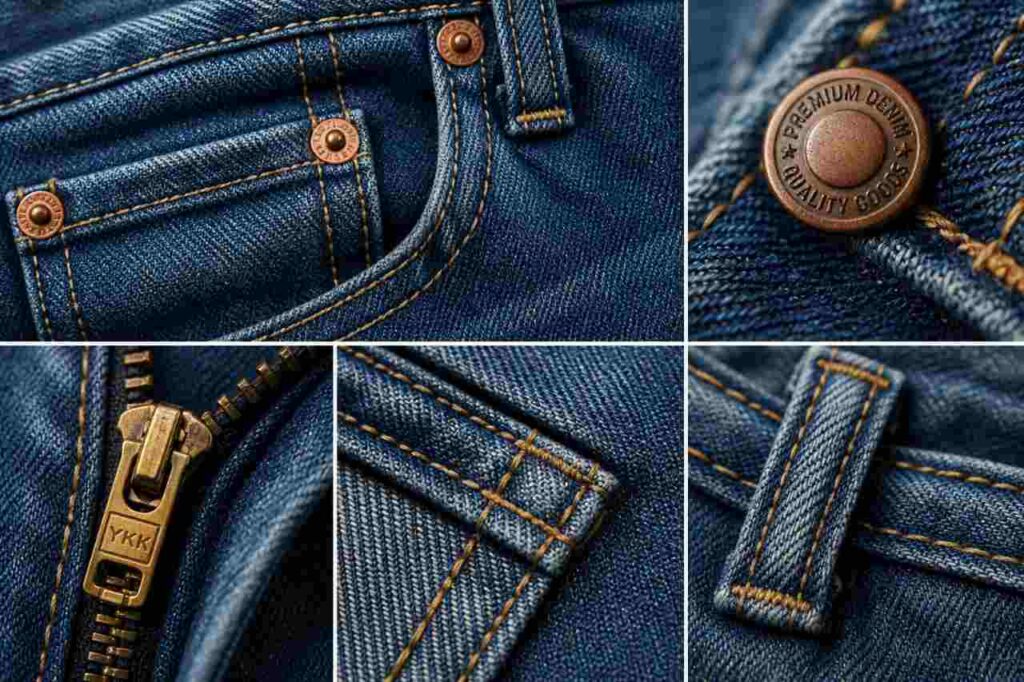
Look at the stitching inside the crotch seam and inner thigh — these areas take the most stress during daily movement and are almost always the first to fail on poorly constructed jeans. Uneven stitching or already-loose threads at the seams are a warning sign.
Check the zipper. A cheap zipper that slides down on its own is a frustration that never goes away. Check the rivets and hardware — they should feel solid and flush, not sharp or wobbly.
Belt loops should be thick and securely stitched, not thin little strips that start fraying after a few months. These are all small details, but together they determine whether a pair of jeans lasts one year or four.
Brands that care about construction invest in these details. That’s what makes something like a Luxzen piece worth looking at — the build quality is evident before you even put them on.
4. Wash and Color — Think Six Months Ahead, Not Today
That dark indigo pair looks incredible off the shelf. But how does it look after 30 washes? That’s the question that matters most when you’re buying the best jeans for daily wear.
Good quality denim with proper dye treatment holds its color through regular washing without turning patchy or developing those uneven faded patches that make jeans look worn out rather than worn in.
For most people, a neutral mid-wash or a deep-but-not-too-dark indigo is the most practical choice for everyday use. It works with more of your wardrobe, doesn’t show marks as aggressively as lighter washes, and fades evenly and gracefully over time rather than looking neglected.
If you’re buying only one pair as your main everyday pair, avoid anything too fashion-forward in its wash — heavy distressing, strong acid washes, or novelty finishes. These are harder to style consistently day after day and tend to feel dated faster.
Styling the Best Jeans for Daily Wear Without Overthinking It
A good pair of everyday jeans should make getting dressed easier, not harder. Here are a few combinations that actually work in real life:
Clean casual: Straight or slim jeans in a mid-wash, plain white tee, white sneakers. Always looks put-together with zero effort.
Smart casual: Dark wash straight-leg jeans with a tucked linen shirt or structured kurta. Works for most office environments and casual meetings without needing to think about it.
Weekend comfort: Relaxed-fit jeans with an oversized tee or a hoodie. Looks intentional if the length is right and you’re not swimming in fabric.
One styling mistake that quietly ruins even the best jeans for daily wear: wearing them too long without getting them hemmed. Ankle bunching immediately makes a great pair look cheap and sloppy. A tailor charges next to nothing for hemming and it takes ten minutes.
Common Mistakes People Make When Buying Everyday Jeans
Shopping for looks only. Jeans that look sharp in the store often feel very different after a full active day. Always test sit, walk, and move before buying.
Skipping the fabric label. That tag tells you everything. Don’t ignore it.
Going too trendy. Heavily distressed jeans, extreme silhouettes, and bold fashion washes are hard to wear every single day without getting bored — or looking out of place.
Over-washing. Washing jeans after every single wear accelerates fading and fabric breakdown. Most jeans are fine for 3–5 wears between washes unless visibly dirty.
Buying cheap to save money. A cheap pair worn daily might last six months before the knees thin out. The best jeans for daily wear often cost more upfront but survive years of actual use. Cost per wear on a quality pair almost always wins.
An Honest Take on Finding What Works
There’s no single universally “best” pair. The best jeans for daily wear depend on your body, your climate, your job, and what your actual day looks like. Someone who commutes by bicycle needs different jeans than someone who sits at a desk for eight hours.
But the four fundamentals — fabric, fit, construction, color — hold across all of it. Jeans that get those four things right will consistently outperform jeans that don’t, regardless of brand, price point, or how good they look on the model.
I’ve worn through plenty of pairs over the years. The ones that earned their place in my regular rotation were always the ones built on these basics. A Luxzen pair I started wearing daily about a year ago is still holding up well — same color, same seams, same fit. That’s exactly what you want from an everyday pair.
FAQ: Questions People Actually Ask
Q: How many pairs of jeans do I need for daily wear? Two to three good pairs rotate comfortably. One dark wash for smarter situations, one mid-wash for general daily use, and one casual pair for weekends. More than that and you start forgetting pairs exist.
Q: Are expensive jeans worth it for everyday use? Yes — if the price reflects fabric and construction quality. No — if you’re just paying for a logo. Look at what you’re actually getting. The best jeans for daily wear aren’t always the most expensive, but they’re rarely the cheapest either.
Q: How do I stop jeans from fading too quickly? Wash in cold water, always inside out, and air dry when you can. The tumble dryer is the main reason jeans lose color and shape faster than they should.
Q: What fit works best for desk jobs? Mid-rise straight or relaxed fits with a small percentage of elastane in the fabric. Slim fits can dig in and restrict circulation when you’re seated for long stretches.
Q: Can I wear the same jeans every day? Practically yes, especially if you’re rotating between two or three pairs. Giving each pair a day’s rest between wears also extends their life.
Q: What denim weight is best for warm climates? Look for 9–11 oz denim. Light enough to breathe, but still structured enough to hold its shape and look intentional through the day.
Q: Should I size up or down if I’m between sizes? Size up for daily wear. Jeans that are slightly loose are far more comfortable over a full day than jeans that are snug from the first wear. A belt fixes the rest.
Q: How often should I actually wash everyday jeans? Every 3–5 wears is a solid rule of thumb. Unless they’re dirty or have odour, washing more frequently than that breaks down the denim faster than it needs to.
Q: Raw denim or washed denim for daily use? Washed denim for most people. It’s pre-softened, easier to maintain, and more predictable. Raw denim is rewarding but takes patience and deliberate care to wear well.
Q: Does the brand matter? It matters in terms of consistent quality control. Some brands reliably deliver well-constructed jeans. That consistency — not the name itself — is what you’re paying for when you invest in the best jeans for daily wear.
Final Thoughts
The best jeans for daily wear aren’t about chasing trends or spending the most money. They’re about getting the fundamentals right — fabric that moves with you, a fit that works through a real day, construction that lasts, and a wash you’ll still love six months in.
Get those four things right and you’ll stop second-guessing your wardrobe every morning. Your jeans will just be there, doing their job, reliably.
If you’re replacing an old favourite or starting from scratch, it’s worth checking out what Luxzen offers. Not a sales pitch — just genuine quality worth looking at if you care about getting everyday dressing right.
The best pair of jeans is the one you stop noticing because it just works. That’s the whole goal.
You can go for Best Jeans for Daily Wear at our store
Worn a pair that’s stood the test of daily use? Or made a purchase you’re still regretting? Share it in the comments — real experience is always more useful than theory